Software Development
Software Development Link to heading
QuestEd: Link to heading
QuestEd is an open-source educational technology platform enabling instructors to craft story-driven, gamified learning experiences with Artificial Intelligence (AI).
Instructors can create interactive gamified learning experience by adding keywords or even a lesson plan (in the form of pdf, or document file). Using generative AI, QuestEd develops a story-based learning experience called Quest, that can be accessed by a learner.
The learning experience is provided by Questy, an AI learning assistant that guides the learner through their learning quests, and help them solve problems and challenges as they appear in the learning experience.
The project uses MERN (MongoDB, express, React and NodeJs) stack along with Google’s Gemini AI models. Future work would incorporate other LLMs(Large Language Models) as well.

Check out a quick demo here!
Launching soon!
Revealer: Link to heading
Revealer is an open-source educational game that provides user with an interactive learning experience. A hidden picture associated with a weekly theme is added every day and user has to guess what the picture is. Based on the principles of gamification and interactive play, this game intends to help increase user’s general knowledge about the world.
Inspired by the Wordle-like games which he enjoys playing with her partner, Ankit designed and developed this web-game, that utilizes MERN (MongoDB, Express, React and NodeJs) stack hosted on AWS servers to provide simple yet elegant user interface.

Check out the game here!
Shopify App Development: Link to heading
Ankit consults businesses to build custom Shopify application for their online store. Currently he is working with a fashion-industry start-up to build several custom applications for their online business store.

For upcoming software product updates in 2024, follow BhandLab.
Scientific Computing Software: Link to heading
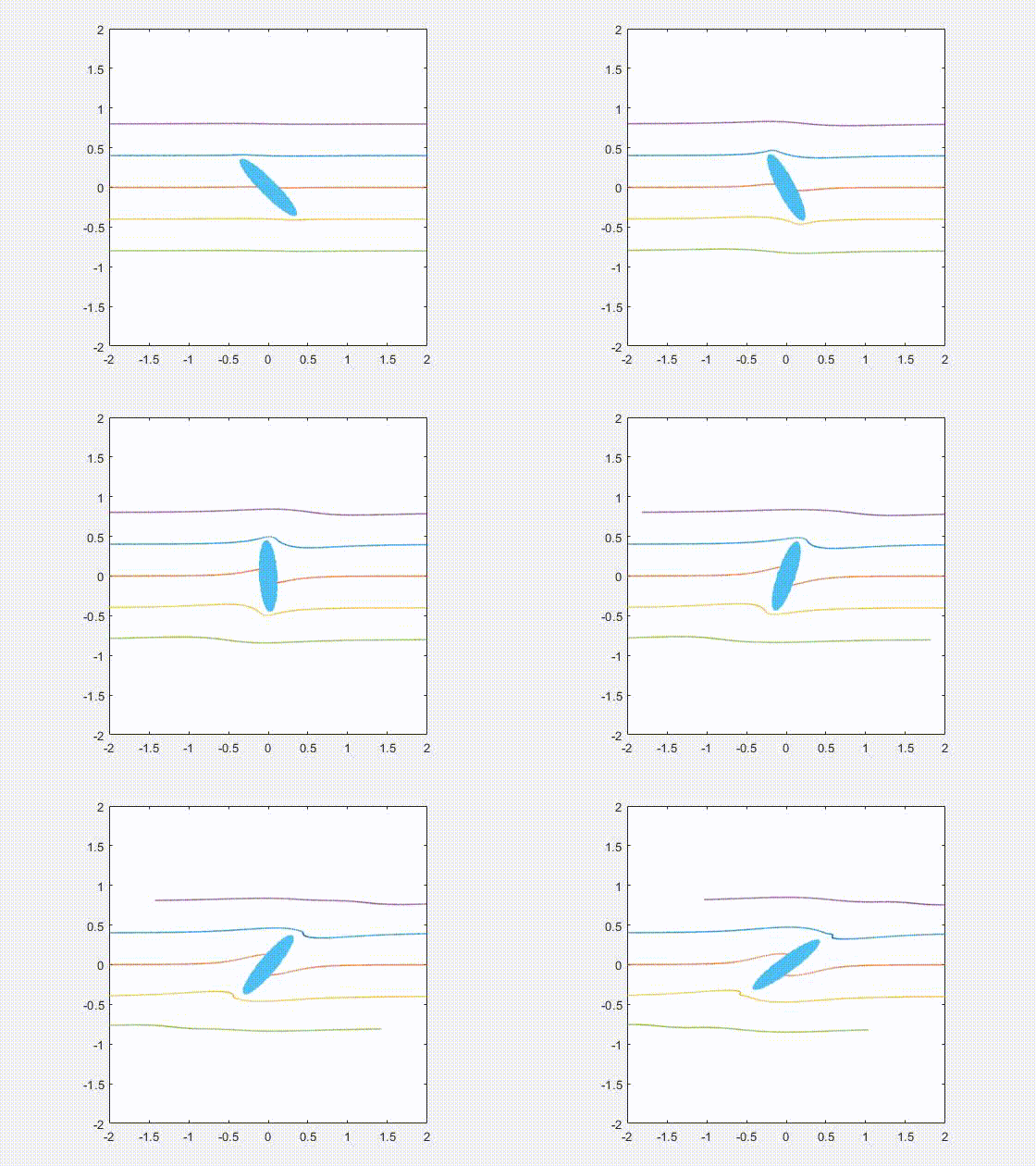
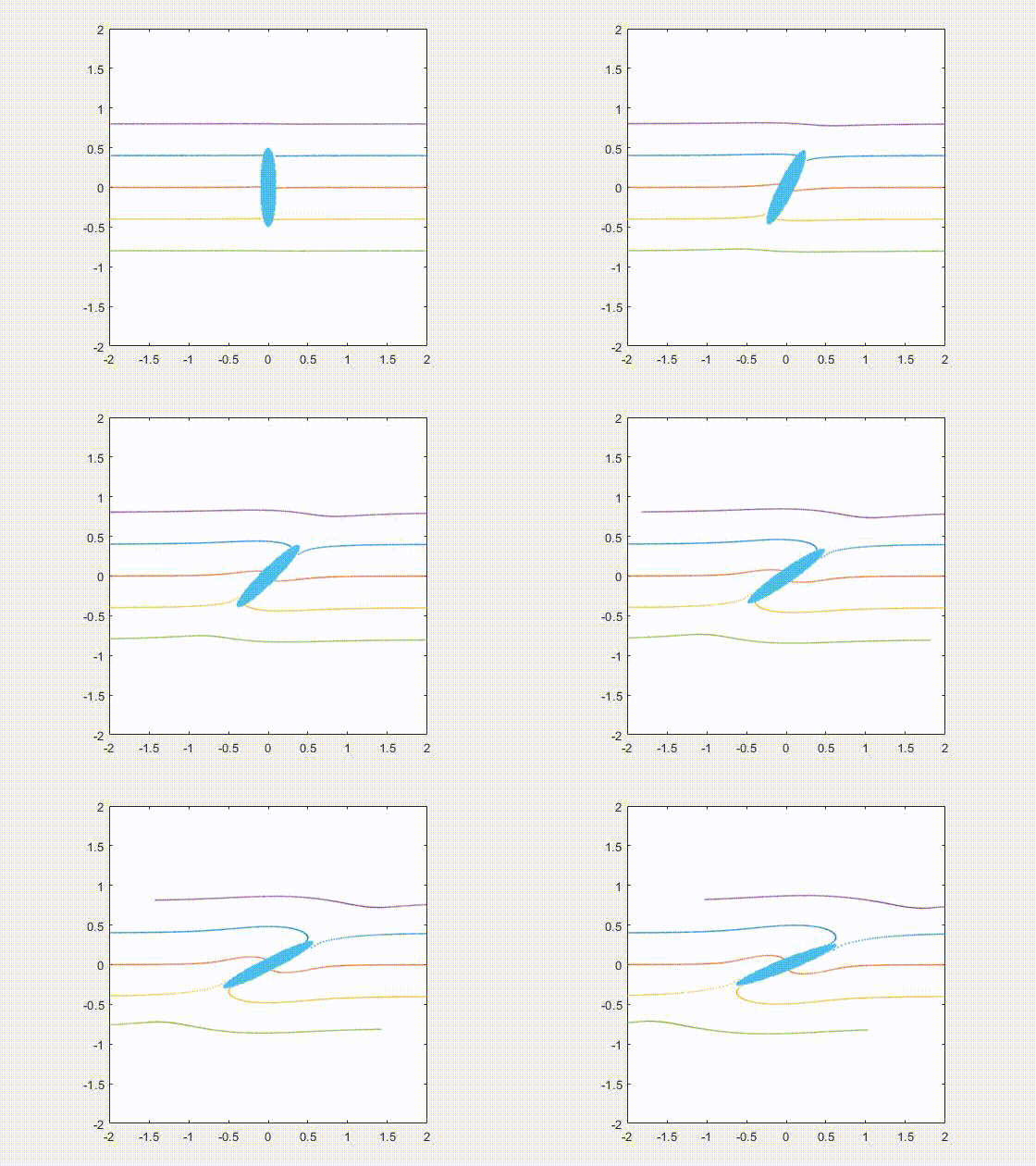
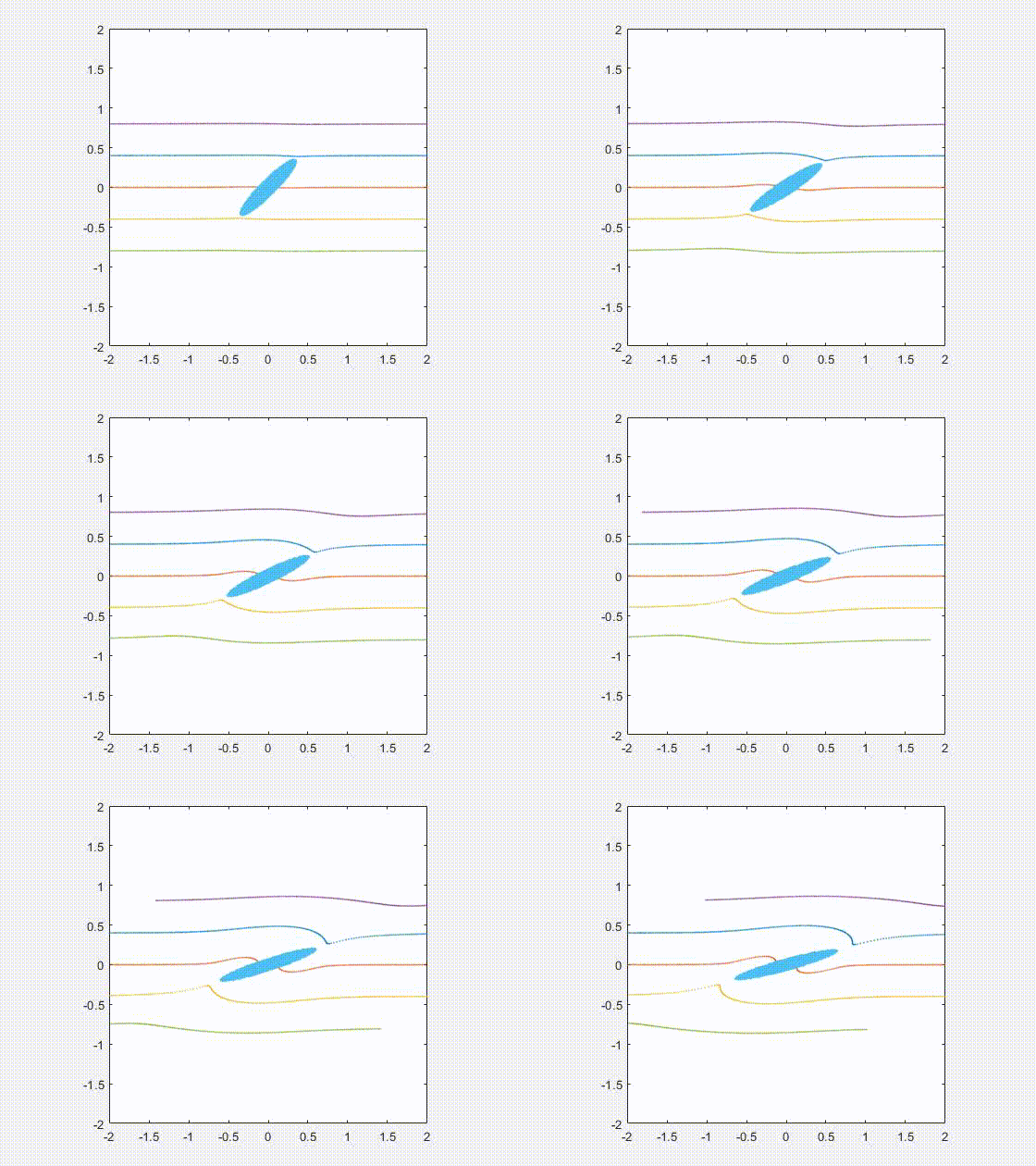
For his scientific research in computational geosciences, Ankit contributed to the development of MOPLA (Multi Order Power Law Approach), a scientific computing software application for simulating the heterogeneous rock deformation in Earth’s lithosphere.
Below is an example of different flanking structures formed in rocks, simulated using micromechanics based models:
| Flanking Structure 1 | Flanking Structure 2 | Flanking Structure 3 |
|---|---|---|
 |  |  |
More information about the specific problem and relevant codebase can be found here.